
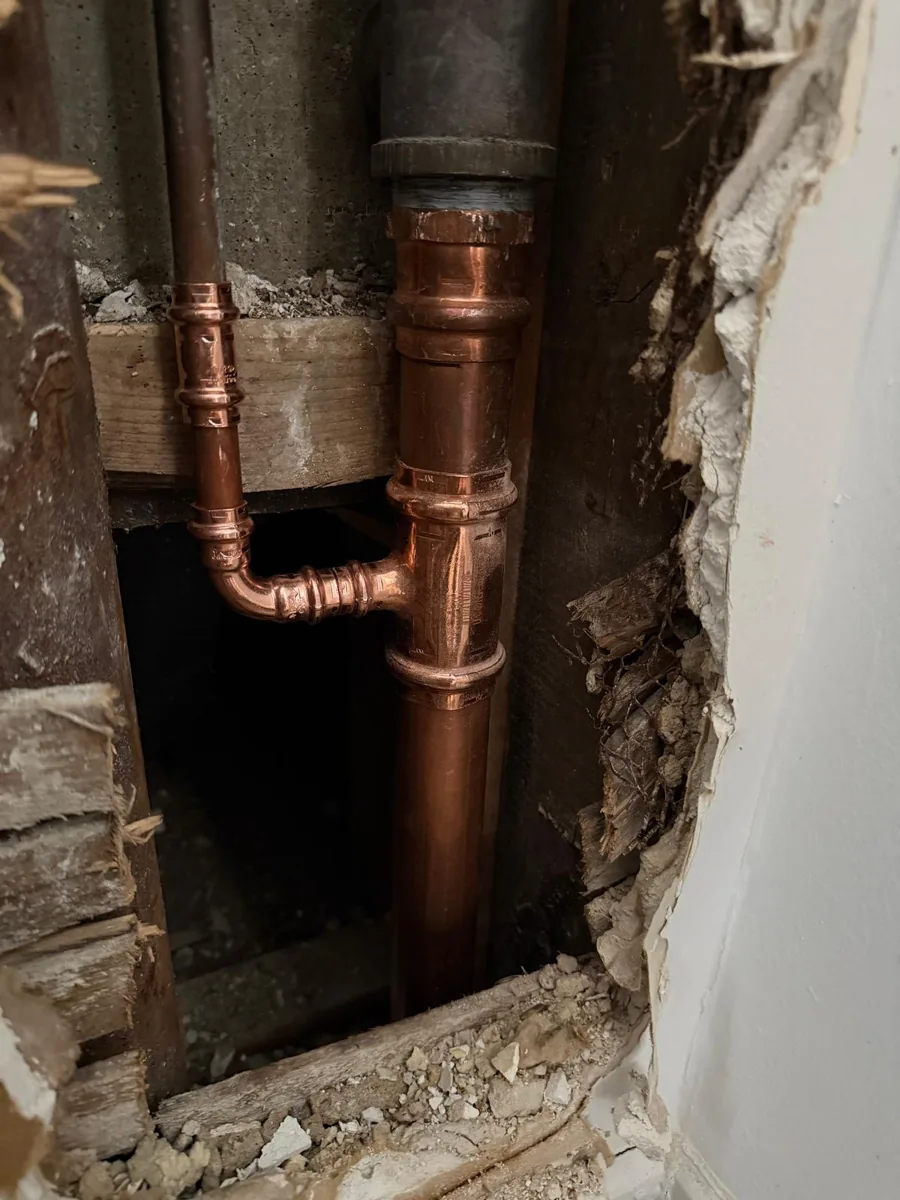
Frozen pipes are a common winter headache that can lead to costly repairs and water damage. The good news? You can take steps to prevent it. Follow this ultimate checklist to protect your pipes and keep your home safe during the colder months.
1. Insulate Your Pipes
- Use foam pipe insulation on exposed pipes in unheated areas like basements, attics, and garages.
- Pay special attention to outdoor pipes, as they are most at risk.
2. Seal Drafts and Cracks
- Inspect areas near pipes for drafts or cracks, especially around windows, doors, and walls.
- Use caulk or weatherstripping to seal gaps and keep cold air out.
3. Let Faucets Drip
- During extreme cold, allow faucets to drip slightly.
- A small flow through vulnerable exposed pipes can help during severe cold, but it does not guarantee protection. Ask your plumber or building manager which fixtures need attention; keep the drain clear and do not leave an overflowing fixture running.
4. Keep Cabinet Doors Open
- Open cabinet doors under sinks to allow warm air from your home to circulate around the pipes.
- This is especially important for kitchen and bathroom sinks along exterior walls.
5. Disconnect Outdoor Hoses
- Disconnect garden hoses from outdoor faucets.
- Drain the hoses and store them indoors. This prevents water from freezing in the hose and backing up into the faucet.
6. Shut Off and Drain Outdoor Faucets
- If there is a dedicated, accessible shut-off for the outdoor faucet, isolate it according to the fixture’s instructions. Do not operate shared building valves without permission.
- Drain the outdoor section according to its design and the manufacturer’s instructions. Ask a plumber for help if the isolation point or drainage arrangement is unclear.
7. Use Heating Tape
- If insulation and draft reduction are insufficient, ask a professional whether a listed pipe-heating cable is suitable for the pipe material and location.
- Follow the cable manufacturer’s installation and electrical requirements. Do not improvise a heater or overlap cable unless the product explicitly allows it.
8. Maintain a Consistent Indoor Temperature
- Keep your thermostat set to the same temperature day and night, even when you’re away.
- Avoid letting indoor temperatures drop below 55°F (13°C).
9. Winterize Your Home Before Traveling
- Arrange for someone to check your home during cold weather. Discuss any planned water shut-off or draining with a plumber or building manager first: heating, fire-protection and shared plumbing systems may rely on the supply.
- Leave the heat on to at least 55°F (13°C) to prevent freezing.
10. Know Where Your Shut-Off Valve Is
- If a pipe bursts, isolating its supply can limit damage when the correct valve is safely accessible. Keep away from water near electrical equipment and notify building management where applicable.
- Know which valve serves your property and have a stiff, corroded or leaking valve checked rather than forcing it.
Stay Ahead of Winter Plumbing Issues
Taking these proactive steps can save you from the hassle and expense of frozen pipes. For additional protection or to address existing plumbing concerns, our team of experts is here to help. Contact us about your pipework. For emergency requests, call to check availability.
Read NYC DEP’s pipe-freezing guidance. Never use an open flame to thaw a pipe. If you suspect a frozen or burst pipe, contact a plumber rather than attempting an uncertain repair.
For help in Brooklyn, Queens, Manhattan and the Bronx, explore our leak and pipe repairs, emergency plumbing availability.