
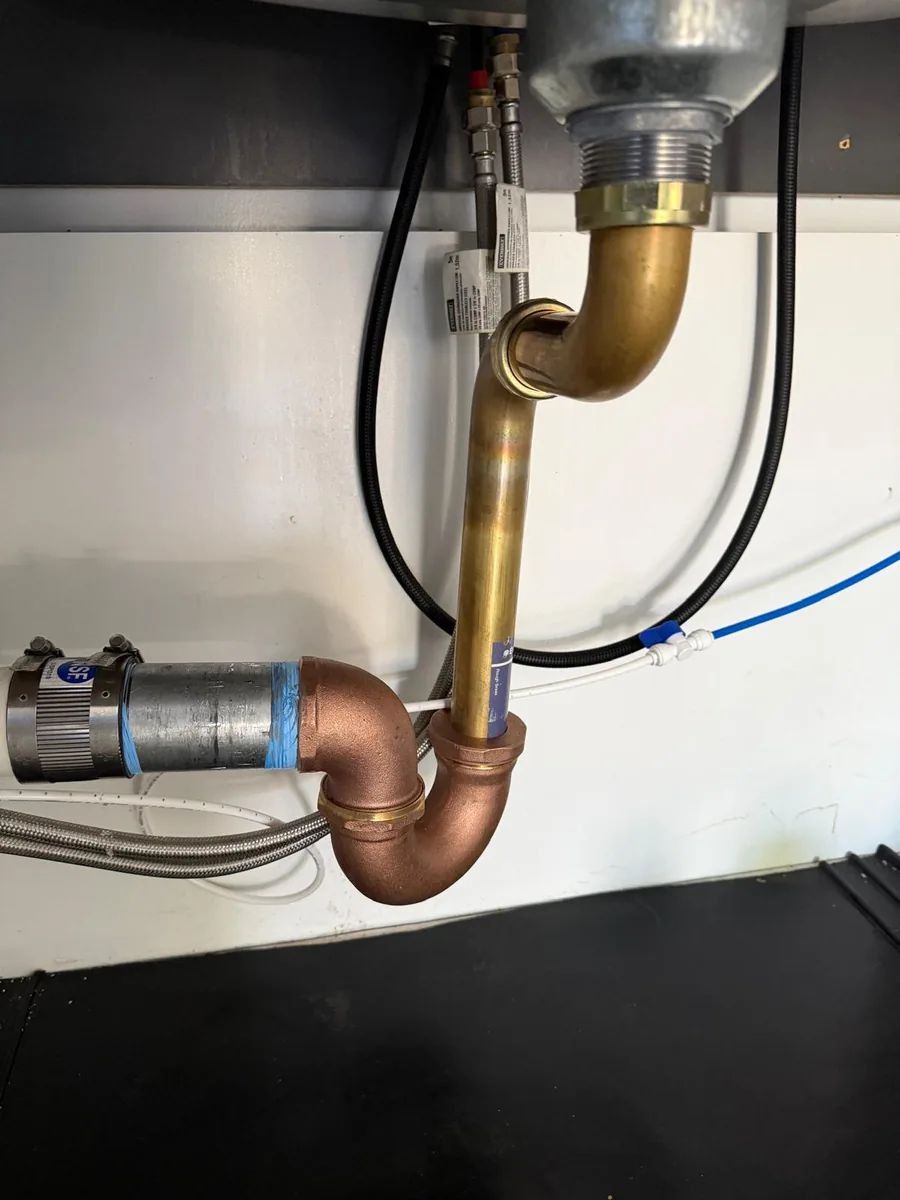
For a single slow drain, start by removing accessible debris and checking whether a suitable plunger helps. Stop if water backs up elsewhere, a leak appears or the blockage returns. A stubborn clog can need professional assessment; repeated DIY attempts are not always useful.
1. Check What Is Affected
Is only one sink slow, or are the toilet, tub and other drains affected too? Stop using fixtures that are backing up. Multiple affected drains or sewage coming up through a fixture call for professional attention. In an apartment, tell building management because the problem may involve shared pipework.
2. If You Have Used Drain Cleaner, Stop Here
Do not add another product, vinegar or other home mixture. Do not plunge, snake or open the trap while chemical cleaner may remain: it can splash or spill. Follow the product’s safety instructions and tell the plumber exactly what you used and when. Oatey explains the risks of chemicals remaining in blocked drains.
3. Remove Accessible Debris
If no chemical cleaner is present, wear gloves and remove hair or food from an accessible strainer or removable stopper, following the fixture’s instructions. Do not reach into a garbage disposal or force a cover that will not come free. Avoid dismantling pipework just to reach further.
4. Try Gentle Plunging Where Appropriate
Use a sink plunger for a sink and a toilet plunger for a toilet. With enough water to cover the cup, seat it over the opening and use controlled strokes to limit splashing. For a double sink, the other opening may need covering to form a seal. Stop if a fitting leaks or water comes up somewhere else.
If drainage improves, run a small amount of tap water while watching the fixture and visible connections. Stop if the water rises again. Do not pour boiling water into unknown plumbing or push improvised wire tools down the drain.
5. Know When to Call
Arrange help if limited first steps fail, several fixtures are affected, a leak develops or the same blockage keeps returning. Avoid powered drain equipment without the necessary training. A plumber can assess the location and likely cause before choosing a method.
If the problem comes back after clearing, read why drains keep clogging. Tell the plumber what backs up, when it happens and which products or tools you have already tried.
Help Prevent the Next Blockage
- Use strainers to catch hair and debris.
- Put grease and food scraps in the appropriate waste container instead of the sink.
- Keep wipes and other waste out of toilets.
NYC DEP’s grease-disposal advice explains why grease should stay out of drains.
For help in Brooklyn, Queens, Manhattan and the Bronx, explore our drain cleaning, emergency plumbing availability.